Description

The project will involve a participatory process to identify and implement climate change adaptation measures, through the use of gender sensitive data gathering tools; specific location/areas for implementing adaptation measures and project sites will be identified during the project design phase in close consultation with relevant stakeholders. The project will increase the climate resilience of poor communities living on the selected island. The project will focus on combining soft ecosystem-based, gray-green and hard interventions while also building on existing activities of other relevant projects.

Enabling communities to increase their capacity to adapt to ongoing and uncertain changes requires active collaboration among government, partner agencies, CSOs, and particularly vulnerable and marginalized groups, in developing and delivering community-based adaptation and risk reduction programmes. Involving communities early onwards will lead to increased ownership of selected adaptation interventions and ensure that priority issues are being targeted. It will also ensure that local knowledge is being incorporated in the projects approach.
Funding
Donor
Organisation: Green Climate Fund
Total Funding USD:
$30,000,000.00
Project Status
Completed
Project Scope
Community
Project Type
Informal Training Courses
Implementing Entity/Organisation
Organisation: United Nations Environment Programme
Project Contact
Name: Brain Philips
Phone: 24686
Organisation: NAB - PMU
Project Locations
Malekula, VU
Project Map Points
Short Title:
ACSE
Description

The Republic of Vanuatu is an archipelagic nation of 83 islands in the south Pacific, 65 of which are inhabited. An estimated 41% of the land is suitable for cultivation, but these amounts vary considerably from island to island. Over 90% of the land is held in customary land tenure for use by family members, while the remaining 10% is freehold and public land. The islands are small and highly disturbed as a result of frequent cyclones, seismic and volcanic activities. The population is approximately 236,000 with 80% living in rural areas, mainly living by subsistence. The national economy has been highly dependent on agriculture for decades. In more recent years, tourism has developed at a fast pace and has contributed substantially to Vanuatu’s gross domestic product. However, agriculture, forestry and fisheries continue to feature highly among the country’s 80% rural-based population for household staple food and income. 

Vanuatu is among countries in the South Pacific region that are most vulnerable to the risks of climate change, climate variability and sea level rise. Thus, the livelihood of people and their economy are shaped, and driven, by climate sensitive sectors. These pose threats to the future socio-economic well-being of Vanuatu. In recent times, overfishing, ecological changes and inundation of low-lying lands via intrusion of saline waters are predicted to further increase urbanization, poverty and decline in quality of life. Mapping impacts and vulnerability, devising adaptation strategies and strengthening the capacity of rural farming communities to manage the impacts of climate change are now a matter of urgency. This is more relevant for vulnerable sectors such as fisheries (including aquaculture) that are widely considered as important for enhancing food security, alleviating poverty and improving nutrition of small-scale farmers and poor households. The Government of Vanuatu (GoV) intends to facilitate more resources towards aquaculture development. This will help supplement current fisheries production and at the same time relieve pressure on natural fisheries resources. 

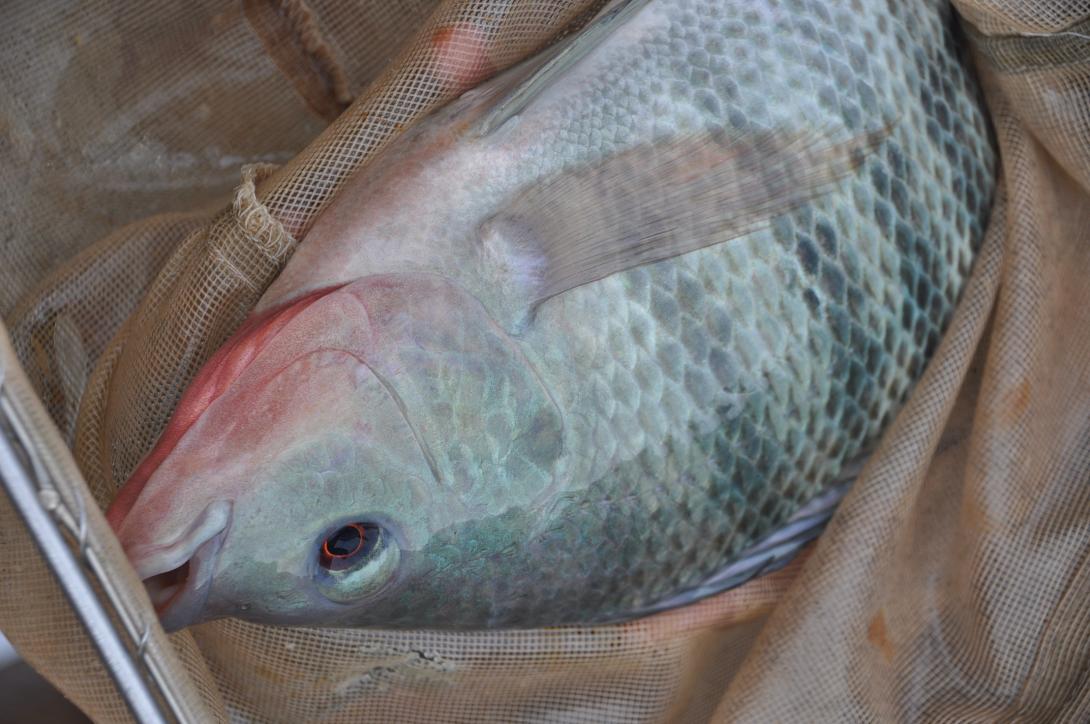
The ‘Vanuatu Aquaculture Development Plan 2008-2013’ prioritized tilapia and freshwater prawns as two of the top investment opportunities over the five-year plan. The Vanuatu Aquaculture Development Plan 2008-2013 provided specific packages (objectives, strategies and indicators) for each of the seven areas, however very little had been achieved over the Plan period due mainly to the challenges with aquaculture governance. Currently, small quantities of tilapia are produced for household consumption and for sale. Existing quality of tilapia stocks along with fingerling production and supply to farmers and the farming systems however, are not adequate. 

The DoF will be addressing one of their highest priorities with this project, which is increasing the resilience of rural communities to climate change to address the adaptation measures of freshwater fish aquaculture implementation across a number of communities in Vanuatu. The predominant method will be to trial and test economically and environmentally sustainable small-scale, community-based aquaculture models via improved aquaculture practices in production systems (small-scale monoculture, polyculture and integrated aquaculture-agriculture/livestock systems). In addition, the Tagabe Freshwater Aquaculture Centre (TFAC) infrastructure will be upgraded, training of technicians and farmers will carried out, and overall planning and management of the hatchery with development of an Asset Management Plan, and strengthen the DoF aquaculture governance models and engagement with community-based and semi-commercial aquaculture farms. 

This project supports the Government’s “Plan Long Act Short” priorities in the areas of preparing the people of Vanuatu to face disasters (including climate change), monitoring in the primary sector and to strengthen and increase market access in agriculture, livestock, fisheries and forestry and to promote and strengthen regulatory and institutional arrangements, policy development, coordination and implementation.
 

Images (lefft  - right):

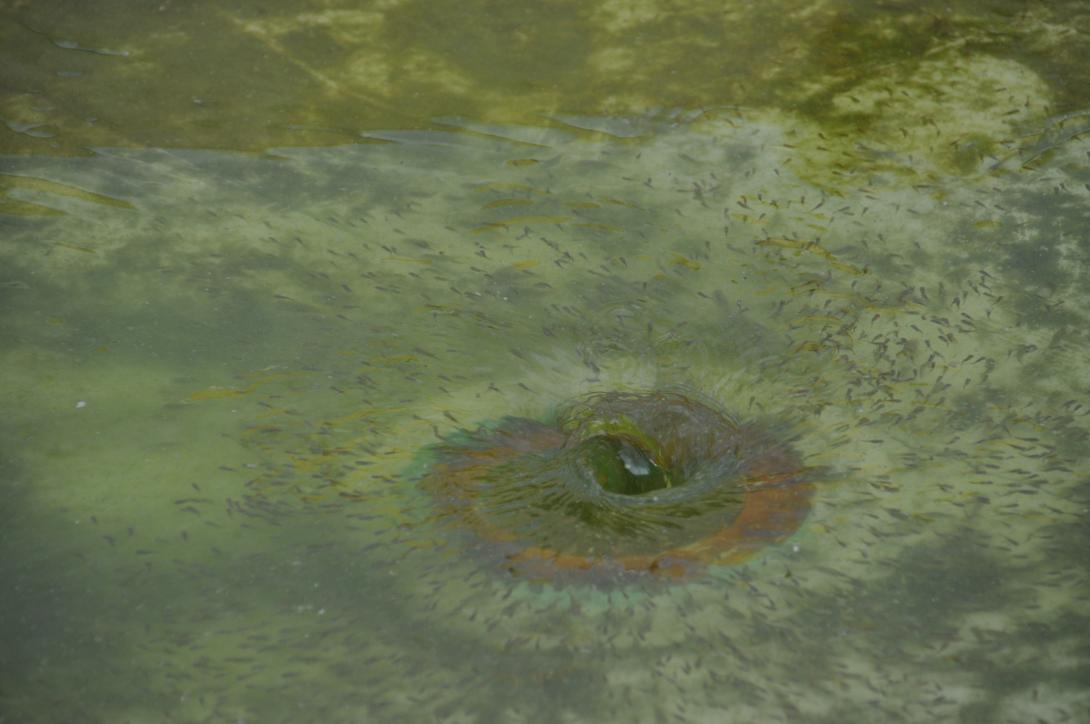
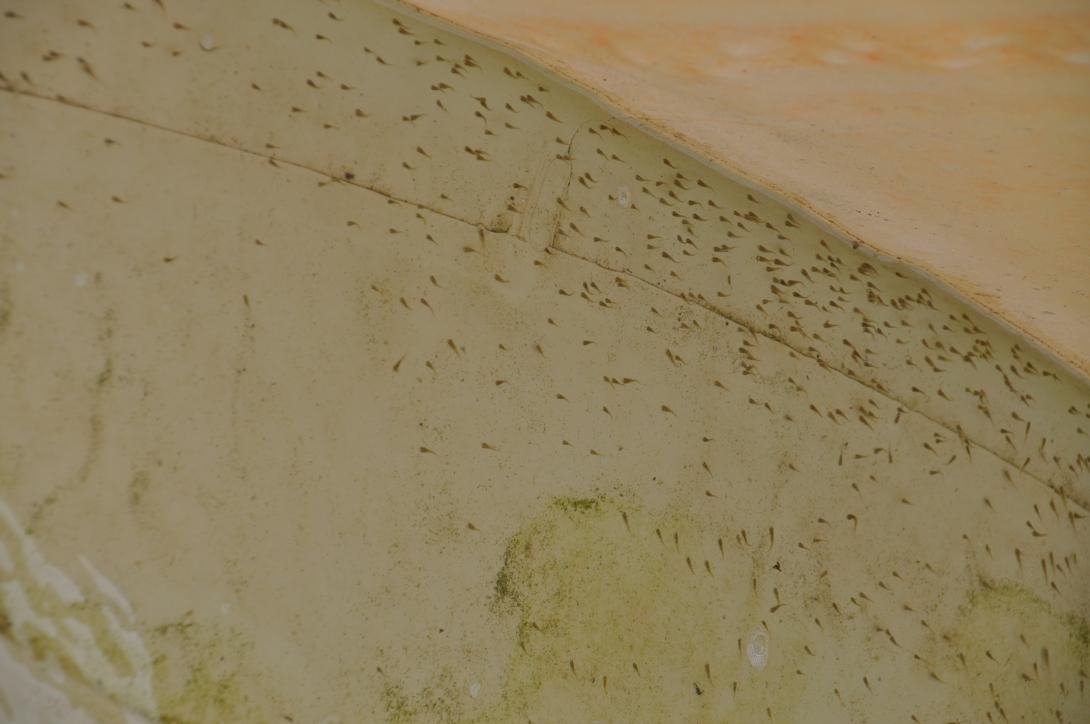
1 - 36,000 fingerlings/broodstock
2 - more fingerlings/broodstock
3 - male adult
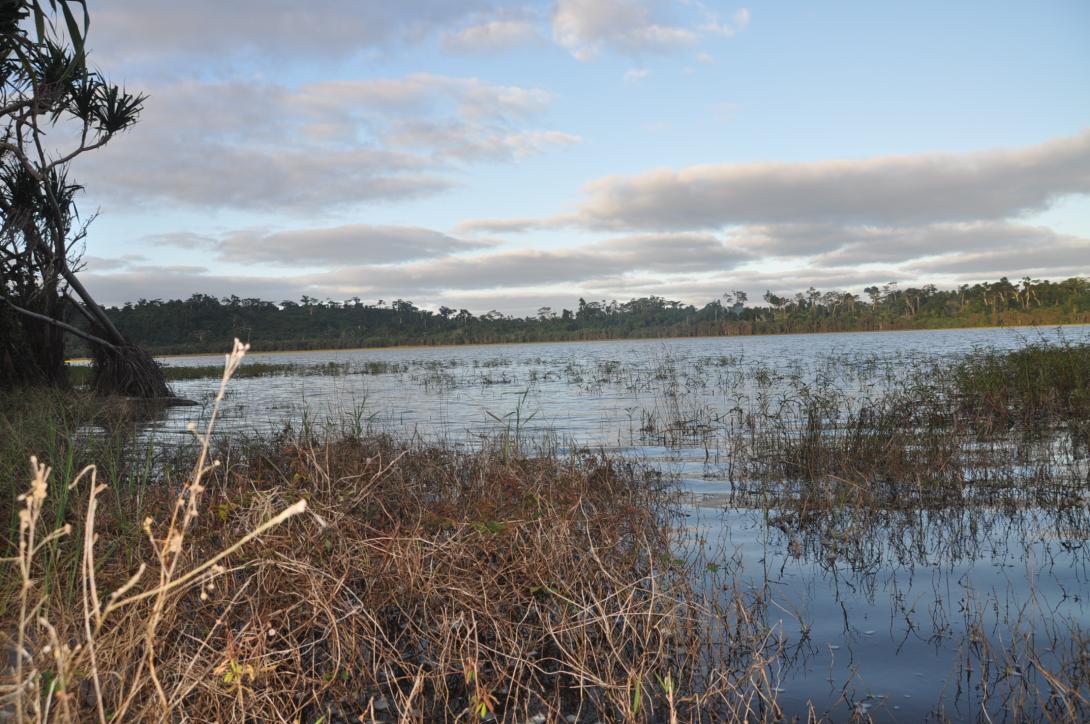
4 - proposed site at Teouma White ground
VID_1 - Fish Breeding Tanks @ Tagabe, Fresh water Aquaculture center | 17 August 2017
VID_2 - Fish Breeding Tanks @ Tagabe, Fresh water Aquaculture center | 17 August 2017

Project Status
Current
Project Scope
National
Project Locations
Tagabe Aquaculture Centre, Port Vila, VU
Eton, Eton, VU
Mangaliliu, Mangaliliu, VU
Project Map Points